A quick reference for the terms you’ll see throughout our reviews. Memorize all of this, and let people know that you know your smoke.
A
Ash — The burned end of the cigar. A firm, grey ash that holds an inch or more before dropping is the classic sign of good construction — and a free party trick.
B
Band — The paper ring around the cigar bearing the brand. Remove it or smoke with it — the etiquette debate is eternal — but if you remove it, wait until the heat loosens the glue.
Barber Pole — A cigar wrapped in two different-colored wrapper leaves in alternating strips, creating a spiral stripe like the pole outside an old barbershop. Two wrappers on one cigar means the flavor shifts as each side burns.
Belicoso — A short pyramid: tapered head, thick foot, typically 5–5.5″ × 50–54.
Binder — The leaf that holds the filler together and helps the cigar burn evenly.
Body — The weight and richness of the smoke on the palate. A full-bodied cigar feels heavy and coating; a light-bodied cigar feels airy. Not the same thing as strength.
Box-Press — A cigar with a gently squared cross-section, pressed into shape in its box. Box-pressed smokes often draw a touch cooler than round ones.
C
Cameroon Wrapper — A thin, toothy leaf grown in Central Africa, prized for its distinctive sweet-spicy character. Often credited with those creamy, coffee-and-cocoa notes reviewers won’t stop talking about.
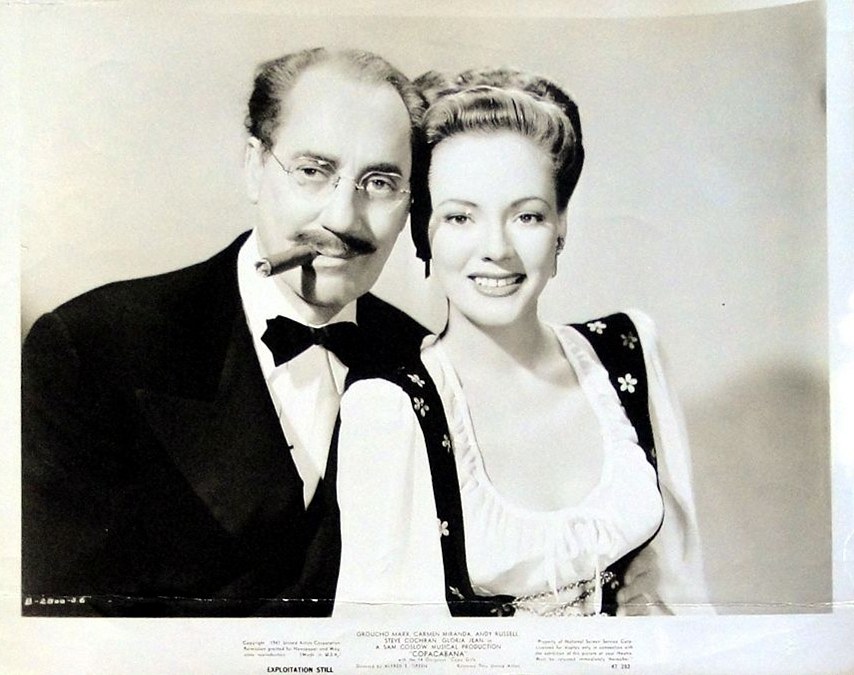
Candela (Double Claro) — The green wrapper — cured fast over heat so the leaf keeps its chlorophyll. Very mild, grassy-sweet, instantly recognizable, and the American standard through most of the 20th century. You’ve seen it in old movies.
Catador — Spanish for “taster.” The master taster at a cigar factory — the palate who grades finished cigars on appearance, construction, aroma, draw, and flavor before they’re allowed out the door. Trained in tobacco aging, blending, and pairing, a catador is basically a sommelier with ash on the sleeve. Also this site’s namesake, in case that wasn’t obvious.
Cedar — A common flavor note, especially in cigars aged in cedar-lined boxes or sleeves. Warm, woody, faintly sweet.
Churchill — A large cigar, typically 7″ × 47. Named for you-can-guess-who.
Cigar Juice — A 50/50 pre-mixed solution of propylene glycol and distilled water used to charge and maintain cigar humidifiers at a stable 70% relative humidity. Sounds like a cocktail; is actually chemistry. The glycol does the regulating — absorbing moisture when the humidor runs above 70% and releasing it when it runs below. If your humidifier came with a bottle, this is what’s in it.
Cold Draw — The flavor and draw of the unlit cigar. Your first impression — and a free preview of construction quality.
Colorado Claro — A wrapper color term: light-to-medium brown, between the pale tan of Claro and the reddish medium-brown of Colorado. The full ladder, lightest to darkest: Candela, Claro, Colorado Claro, Colorado, Colorado Maduro, Maduro, Oscuro.
Construction — How well the cigar is built. Good construction means an even burn, smooth draw, and solid ash.
Corona — The classic benchmark size, roughly 5.5″ × 42. Every other vitola is measured against it.
Cream — A smooth, velvety texture and flavor, often associated with Cameroon wrappers and well-aged tobacco.
D
Draw — The airflow through the cigar when you puff. Too tight is a struggle; too loose runs hot. The goal is firm but generous.
Dried Out — A cigar that has lost too much moisture: tight draw, harsh and bitter flavors. See also: why you own a humidor.
F
Figurado — Any cigar that isn’t a straight-sided cylinder — pyramids, torpedoes, perfectos, culebras. Harder to roll, historically a roller’s showpiece. If a Parejo is a résumé, a Figurado is a portfolio.
Filler — The blend of tobacco leaves at the core of the cigar, providing the bulk of the flavor.
Final Third — The last segment, from about two-thirds down to the nub. Where full cigars earn their reputations.
First Third — The first segment of the smoke, from lighting to roughly one-third down.
Foot — The end you light.
G
Gordito — A thick cigar, typically 60 ring gauge or larger. Bring a schedule.
H
Head — The end you cut.
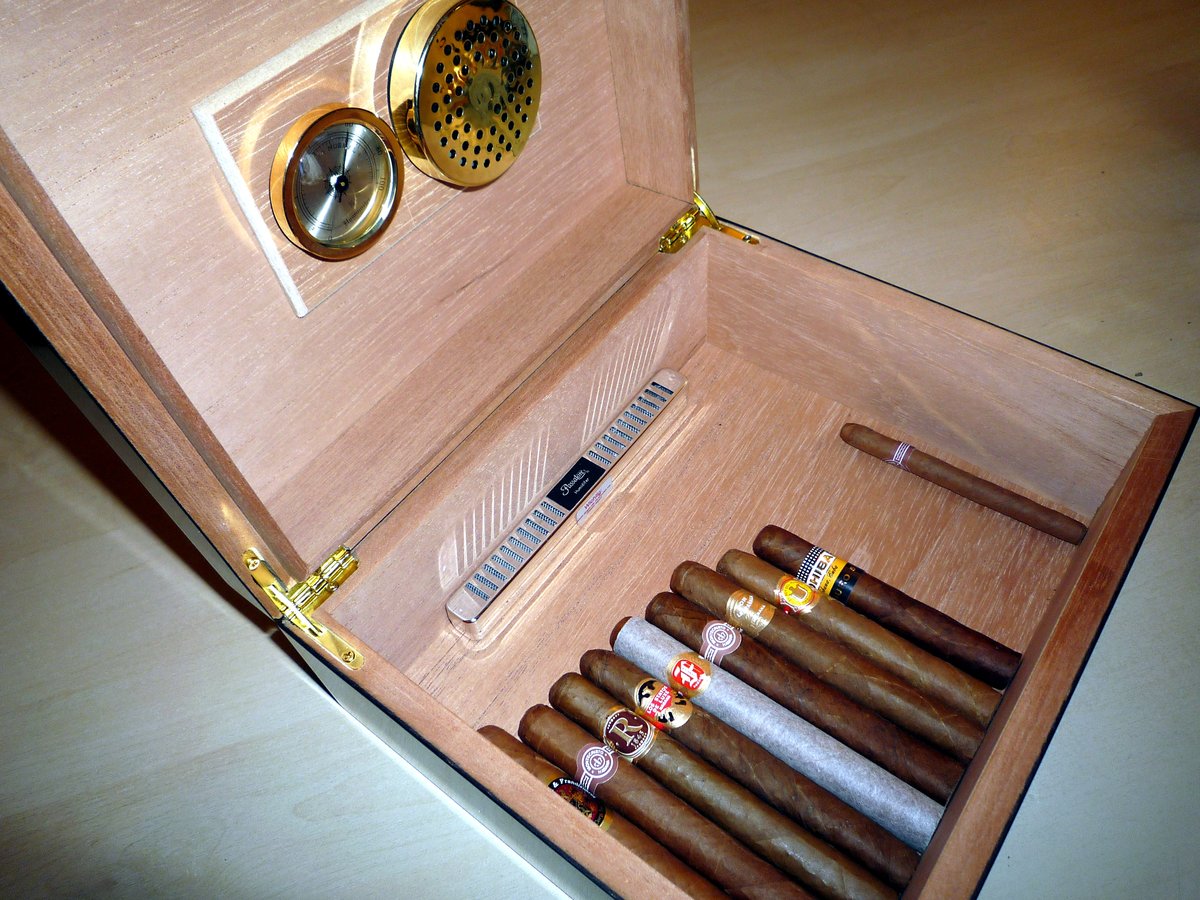
Humidor — A sealed container that holds cigars at proper humidity — roughly 65–72% RH. Technically optional. Practically mandatory.
L
Ligero — The slowest-burning, most powerful leaves, taken from the top of the tobacco plant. The backbone of full-bodied blends.
Lonsdale — A long, relatively thin cigar, typically 6.5″ × 42.
M
Maduro — Spanish for “ripe.” A dark, thick wrapper made by extra fermentation (or extra heat), which brings out sweetness and richness while mellowing the raw pepper. Fair warning: Maduro means more fermentation, not more nicotine — the two get confused constantly.
N
Nub — The last bit of the cigar. Some smokers take it to the band; others quit early and spend the rest of the night wondering what they missed.
O
Over-humidified — A cigar with too much moisture: a spongy feel, poor burn, and muted flavors. Yes, there is such a thing as too much of a good thing.
P
Panetela — A long, thin vitola, typically 6–7.5″ × 34–38. Slim enough to look elegant; burns a touch hotter than its thick cousins.
Parejo — The standard straight-sided cigar — flat head, flat foot, uniform ring gauge along the barrel. If it isn’t a Parejo, it’s a Figurado. That’s the whole taxonomy. There will not be a quiz.
Pepper — A spicy sensation on the palate or retrohale. White and black pepper are the most common descriptors.
Perfecto — A Figurado closed at both ends with a bulged middle. The head needs a cut before smoking, and the closed foot often needs a small hole poked to get the draw going. Extra ceremony, extra showmanship.
Plugged — A cigar with a tight draw, usually from over-packed filler. Sometimes fixable with a draw tool. Often not.
R
Retrohale — Exhaling smoke through the nose to pick up flavors the tongue misses. An acquired skill, worth acquiring.
Ring Gauge — The diameter of a cigar, measured in 64ths of an inch. A 50 ring gauge is 50/64″.
Robusto — The most popular size in America: short, thick, typically 5″ × 50.
S
Second Third — The middle portion of the cigar, where most blends hit their stride.
Strength — The nicotine intensity of the cigar, ranging from mild to full. Not to be confused with body — a mild cigar can be full-bodied, and vice versa. The two get mixed up constantly.
Sumatra — A workhorse wrapper grown from Sumatran seed — in Indonesia, Ecuador, and beyond. Medium brown, earthy-sweet, and quietly reliable; it shows up in more blends than most smokers realize.
T
Toro — The modern favorite: typically 6″ × 50–52.
Torpedo — A cigar with a pointed, tapered head and a cut foot. The shape concentrates the draw.
Touch-Up — Using a lighter to correct an uneven burn line. Nothing to be ashamed of — even the best cigars drift.
V
Vitola — The size and shape of a cigar — the family that includes the Robusto, Churchill, Corona, Toro, and Lonsdale above.
W
Wrapper — The outermost leaf of the cigar, responsible for much of the flavor and appearance. Common types include Cameroon, Connecticut, Habano, Maduro, and Sumatra.
Missing a term we should cover? Tell us — the glossary grows.