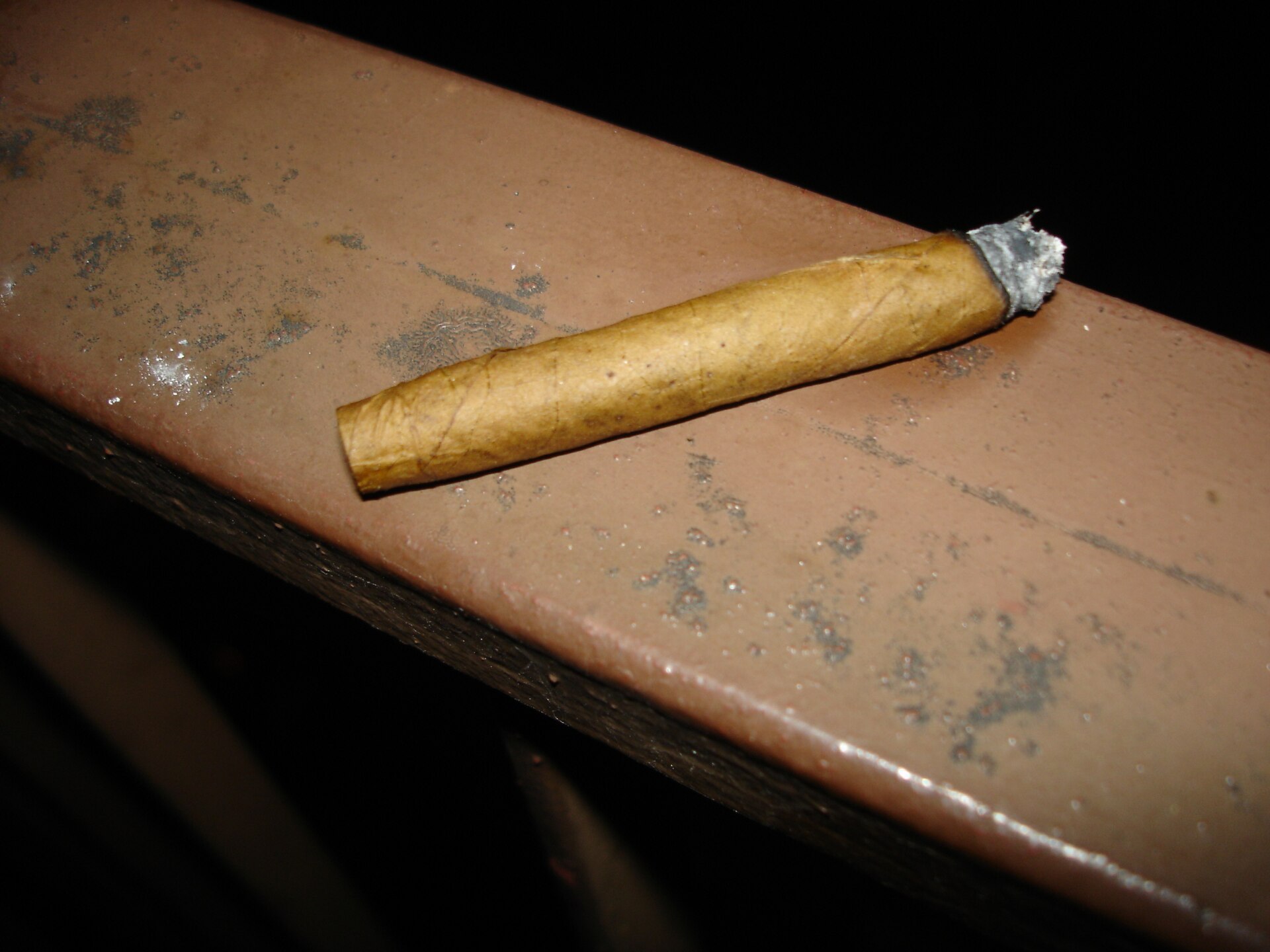
“Look at that ash — white as snow. That’s how you know it’s good.” Every lounge has a guy who says this, usually while presenting his cigar like a court exhibit. The gray-white ash theory of quality is one of the most repeated pieces of cigar folklore, and it deserves a proper trial.
Where the myth comes from
Old-school premium marketing. Twentieth-century brands learned that “clean, gray-white ash” photographed beautifully next to a claim of quality, and the association calcified. Some famous factories still tout the color of their ash in promotional copy. There’s a whiff of volcanic-soil romance in there too — the idea that blessed earth produces blessed ash.
The reality
Ash color is mostly soil chemistry. The shade of your ash tracks what was in the ground the tobacco grew in — magnesium, calcium, potassium and their ratios — plus how the crop was fertilized. Leaf grown on magnesium-rich plots burns whiter; other soils run gray or dark. In other words, when a brand brags about its white ash, it’s bragging about its fertilizer supplier.
Color tells you about the field. What actually tells you about the cigar is what the ash does. Firm, well-stacked ash that rides two, three, four fingers long before falling is real evidence — of good construction, proper rolling density, and correct humidity. And a long ash isn’t just a party trick: it insulates the ember, keeping the burn temperature lower and more even, which keeps the flavor steady too. A cigar that produces a flaky, collapsing ash after half an inch is telling you something honest about how it was rolled or stored.
The right way
Judge the burn, not the shade. Watch the ash’s structure, how long it holds, whether the burn line stays even. Never send a cigar back or write off a brand because the ash came out gray instead of white. Ash color is a postcard from the farm; ash behavior is the report card from the rolling table.
The verdict
PARTLY BUSTED. White ash = quality? Marketing. Structure and endurance = quality? Confirmed. The color doesn’t matter; the architecture does.
Part of the Mythbusters series — cigar folklore, examined. Got a myth you want tested? Send it through the contact page — we’ll bust it or confirm it in print.
Photo: Frettie, Wikimedia Commons, Public domain.