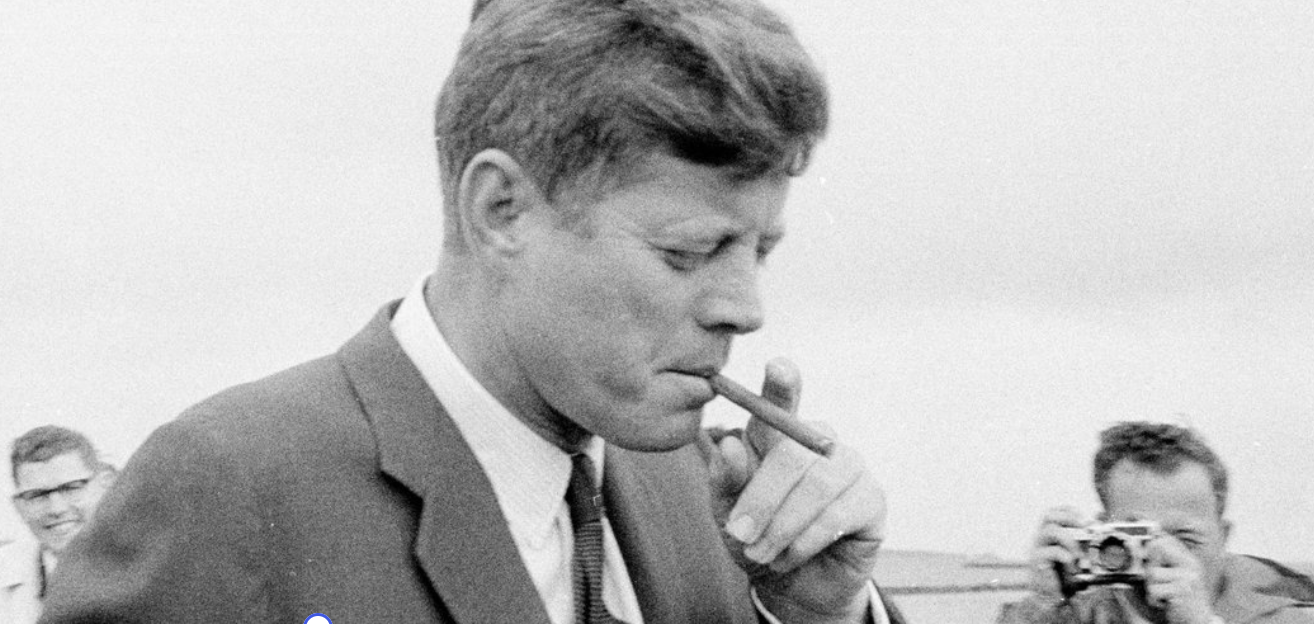
On the morning of February 7, 1962, the President of the United States made sure his humidor was full before making its contents contraband. It remains one of the most gloriously human moments in the history of American lawmaking, and it is 100% true.
The Assignment
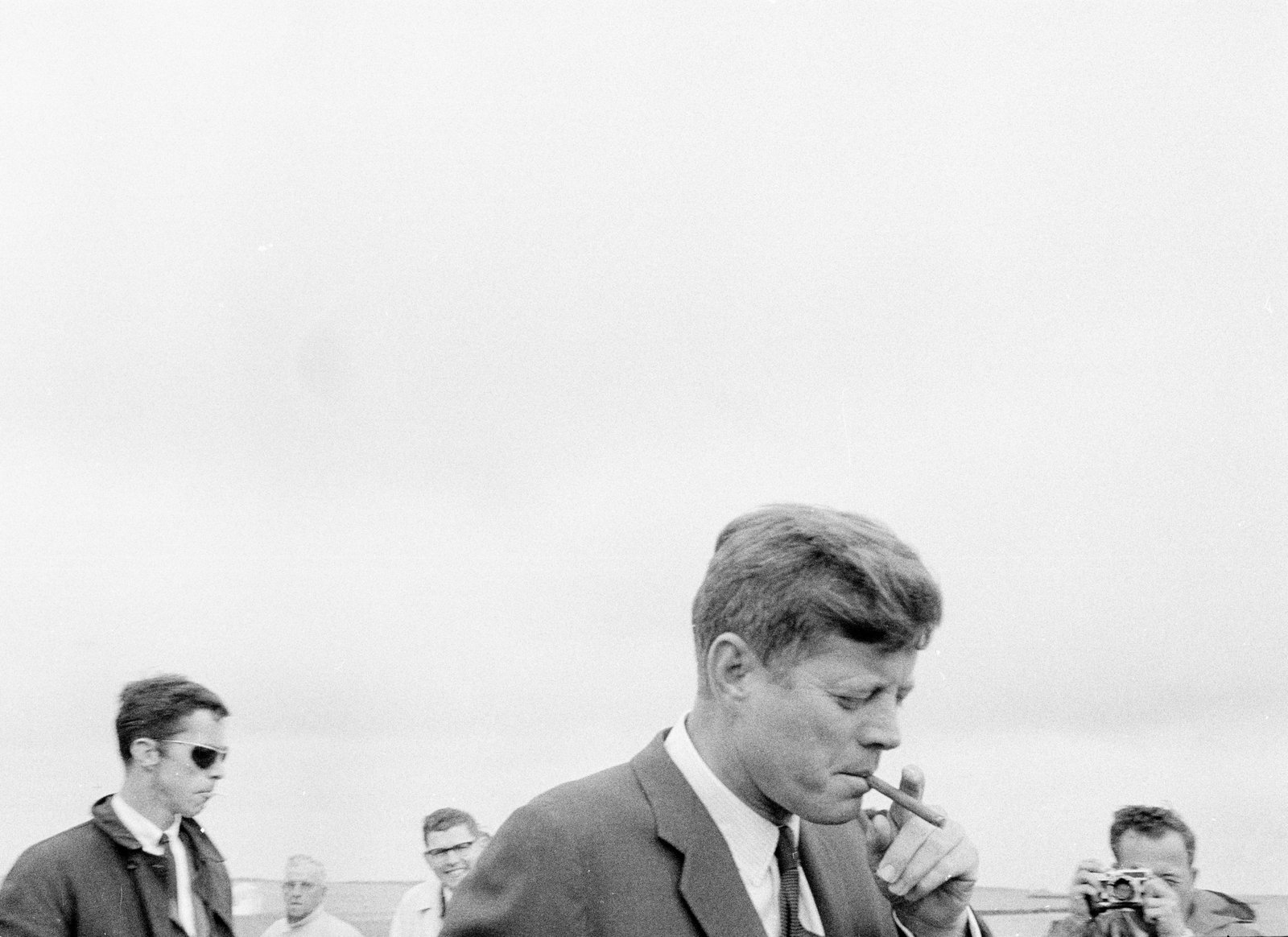
A day earlier, Kennedy called in his press secretary, Pierre Salinger — war hero, master of the briefing room, and apparently now a cigar runner — and gave him a mission with no explanation: get me 1,000 Petit Upmanns. Not Cuban cigars generally. Not a few boxes. The H. Upmann Petit Corona, Kennedy’s particular vice, by the thousand.
Salinger, sensing this was not the week to ask follow-up questions, spent that evening doing exactly what you would do: calling every tobacco shop in Washington, D.C. and buying every Petit Upmann in the capital. He walked back into the Oval Office the next morning with 1,200 of them. Twenty percent over quota. The man delivered.
The Signature
Here’s the part Salinger told decades later, decades after the fact. He reported his haul. Kennedy smiled, opened his desk drawer, took out a long sheet of paper, and signed it — the proclamation banning all Cuban products from the United States. The embargo took effect at 12:01 a.m. that same day. The president of the free world had just outlawed the contents of his own desk.
Why Petit Upmanns
H. Upmann is one of the two or three oldest continuously operating Cuban marques — founded in Havana in 1844 by a pair of German bankers who apparently moved to Cuba for the weather and stayed for the inventory. The Petit Corona format was Kennedy’s daily companion through the White House years: small enough to smoke on a schedule, good enough to be worth the schedule.
The Hypocrisy We Can Almost Respect
Let’s be fair to the man: the embargo was not about cigars. This was eleven months after the Bay of Pigs and eight months before the Cuban Missile Crisis, and Kennedy was squeezing the Castro government from every available angle. Cigars were collateral damage in a much colder war.
But the image — the commander-in-chief personally cornering the Washington D.C. Petit Upmann market hours before slamming the door on everybody else — is politics in miniature. One rule for the country, a personal exemption for the guy signing it. Sixty-four years later, the embargo is still standing, still the longest-running trade ban in modern history, and the only American with a presidential stash grandfathered in smoked his last one decades ago.
What the Embargo Actually Built
Here’s the punchline the history books underplay: the Cuban embargo is the single biggest reason the non-Cuban premium cigar industry exists. Nicaragua and the Dominican Republic got the exiled Cuban growers, rollers, and seed stock, and sixty years to get very, very good without the competition. The best $8 cigar you’ll smoke this year is, in a sense, JFK’s fault. The vocabulary for all of it is in the glossary.
The Bottom Line
The lesson of February 6, 1962 is timeless and bipartisan: before you ban something, check the humidor. Kennedy did, and Salinger — the only man in American history to successfully execute a 1,200-unit personal exemption — earned his place in cigar history forever.