You pick up a $15 cigar and a reasonable question forms: who, exactly, is getting paid here? The answer is nearly everyone — a farmer, a roller, a rumpled bureaucrat, a distributor, a guy named Marcus at the shop who remembers your brand. Almost none of it is the leaf. Let’s break it down.
32 Months of Unpaid Overtime
The biggest ingredient in a premium cigar isn’t wrapper or filler — it’s calendar. From seed to box takes over two and a half years: two harvests, multiple fermentations, and months of aging before the leaf is even allowed near a rolling table. Tobacco that’s aged poorly smokes like an apology, and aging is, economically speaking, the art of doing absolutely nothing with your inventory for years. Nothing, in a warehouse, is expensive.
The Guy at the Table
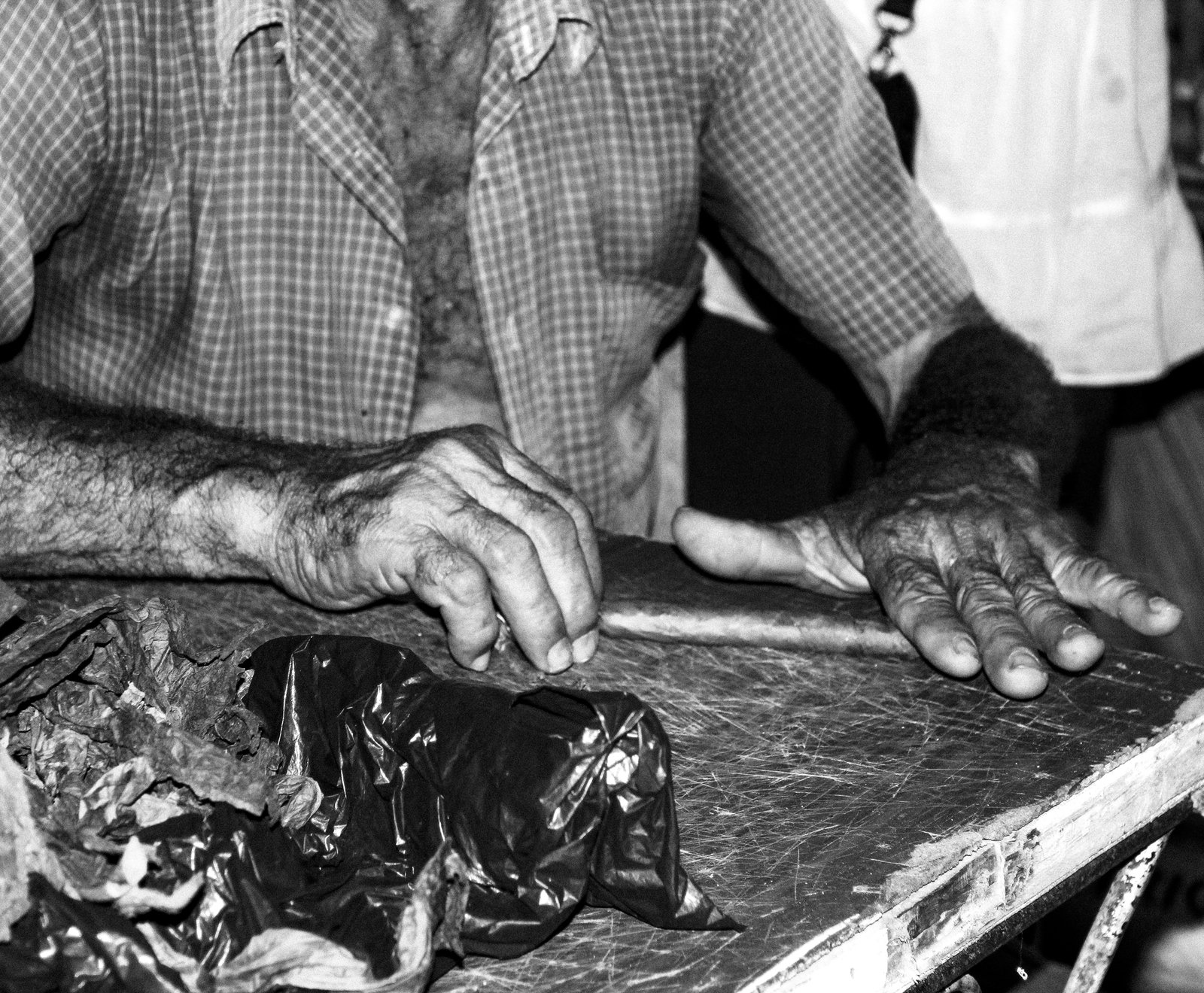
Then there’s the roller. A master cigar roller — and the good ones train for years before anyone lets them near a full format — produces several hundred cigars a day, each one assembled by hand from four or five different leaves arranged so the draw works, the burn works, and the flavor curve works. In many factories they’re paid by the cigar, which concentrates the mind wonderfully. Your $15 stick contains maybe twenty minutes of the most skilled hand labor you’ll ever hold in your mouth. The guy who rolled it is, frankly, better at his job than either of us will ever be at anything.
Washington’s Cut
Now the part that hurts. Federal excise tax on a large cigar: 52.75% of the sale price, capped at 40.26 cents per cigar. On a premium stick, the cap does the work — so you’re paying roughly 40 cents to the general fund per cigar, thanks to a 2009 children’s-health-insurance law that raised the cap from about a nickel to its current rate. And that’s just the federal handshake. Most states stack their own excise on top, ranging from token to enthusiastic, and import duties have been doing their tariff thing lately too. A meaningful slice of every $15 cigar funds things that are definitely not your cigar.
Everyone Else’s Cut
After the government: the importer’s markup, the distributor’s markup, the retailer’s margin — which pays the rent, the humidor’s electric bill, and the aforementioned Marcus. A shop with a lounge is a community center that pretends to be a store; you’re not just buying a cigar, you’re renting the chair. This is why the same stick can vary by a few dollars shop to shop, and why buying from the guy who keeps a good lounge alive isn’t charity — it’s paying your tab at the good table.
So Is It Worth It?
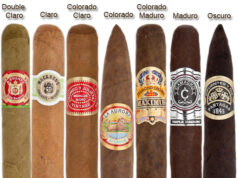
This is exactly why we score quality and value separately. When the $15 cigar is genuinely great, the money is going to 32 months of patience, a master roller, and yes, Washington — and you can feel fine about all three. But the shelf is full of $15 cigars that don’t out-smoke $8 ones, and the only way to know which is which is to smoke them and take notes, which is where we come in. New to the vocabulary? The glossary is here.
The Bottom Line
The honest accounting of your $15: most of it goes to time, labor, and Washington; a little goes to the leaf; and the difference between a fair price and a fleecing is what the value grade exists to measure. Your money is mostly going to the guy who rolled it better than you’ll ever do anything — and honestly, there are worse people to tip.