

You picked it, you paid for it, you cut it right. And now, at the moment of truth, you’re about to light a $12 handmade cigar with the same technique you’d use on a birthday cake. No. Lighting is not the afterthought — it’s the opening scene, and it sets the flavor for the entire smoke. Done properly it takes about thirty seconds and looks effortless. Here’s how.
Start With Clean Fire
Tobacco is a sponge with excellent taste, and it happily absorbs whatever your flame brings along. That’s why fuel choice actually matters. The approved list, in order of classiness:
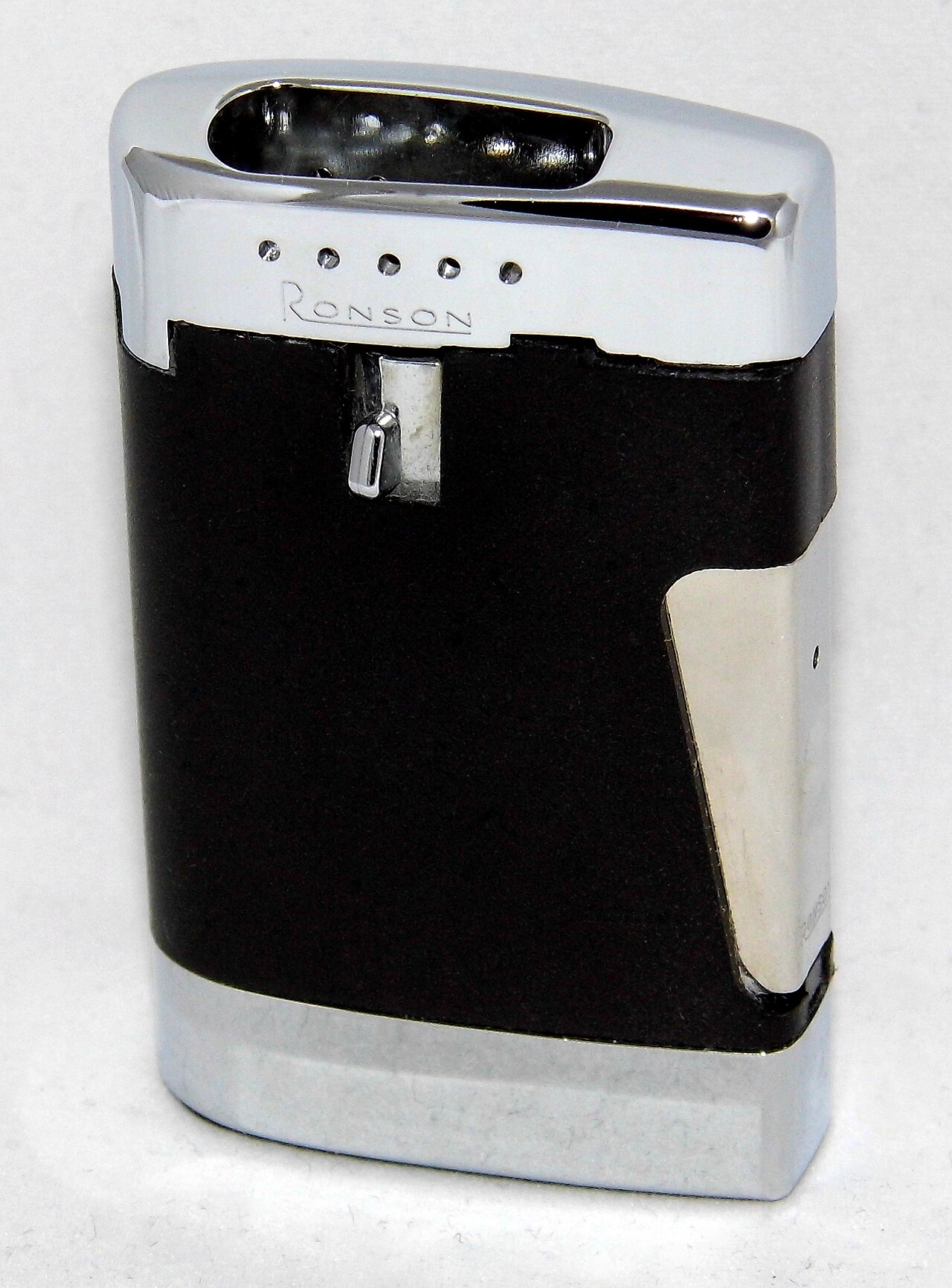
Butane lighter. Burns clean, no flavor, and a single-jet or soft-flame butane torch is the default for a reason. The vintage Ronson below would like a word.
Cedar spill. A thin sliver of Spanish cedar, lit with a match, then used to light the cigar — the old-school lounge ritual, and still the most elegant thing you can do with fire and wood. Long wooden match. Acceptable, with one rule: let the sulfur head burn off completely before the flame gets anywhere near the foot. Otherwise you’re seasoning your cigar with chemistry class.
The banned list is longer. Gasoline lighters (hello, Zippo — we love you, you’re an icon, you’re a flavor crime). Candles (paraffin perfume). Gas stove burners. Lighter-fluid-soaked cardboard matches. Scented anything. If your flame source has a smell, your cigar will have that smell.
Toast Before You Light
The single biggest upgrade you can make: never let the flame touch the cigar. Hold the flame about half an inch below the foot — not in it, below it — and rotate the cigar slowly so the heat browns the entire rim of the foot. You’re preheating the edge until it glows evenly, like a tiny briquette of joy.
Why the rim first? Because an evenly toasted edge means an even burn from the first inch on. Toast only one side and you’ve pre-ordered canoeing. The center will take care of itself once the draw starts.
The Light Itself
Cigar in your mouth, flame just under the foot, and now add a slow, gentle draw while you keep rotating — short sips, not a lung-buster. The ember should creep across the whole foot until you’ve got an even, glowing cherry. Then take one more puff and blow the first draw back out through the cigar. That first puff is mostly fumes from the lighting; purge it and start tasting tobacco instead of butane’s ghost.
Glance at the foot: it should glow evenly across the whole surface. One black spot? Toast that spot a little longer and draw with the low side pointed down. Fully even? Congratulations, you’ve lit a cigar like someone who has done it before.
The Mistakes Everyone Makes Once
Puffing like a steam engine. A cigar isn’t a cigarette; it’s not about smoke volume. Hot smoke tastes bitter and harsh, and the fix is one draw per minute or so, slow and easy. If the band starts getting warm, you’re already driving too fast.
Lighting half of it. Uneven feet cause canoeing, tunneling, and relights. Rotate. Always rotate.
Charring the wrapper. Flame touching the wrapper doesn’t just look amateur — the scorched wrapper leaf is part of the flavor blend, and you’ve just turned it into charcoal. Keep the fire below the foot and this never happens.
The heroic relight. A cigar that dies at minute twenty is worth relighting: knock the ash, gently re-toast, and carry on. A cigar that died two hours ago? Let it go. It will taste like an ashtray’s diary, and you deserve better.
The Bottom Line
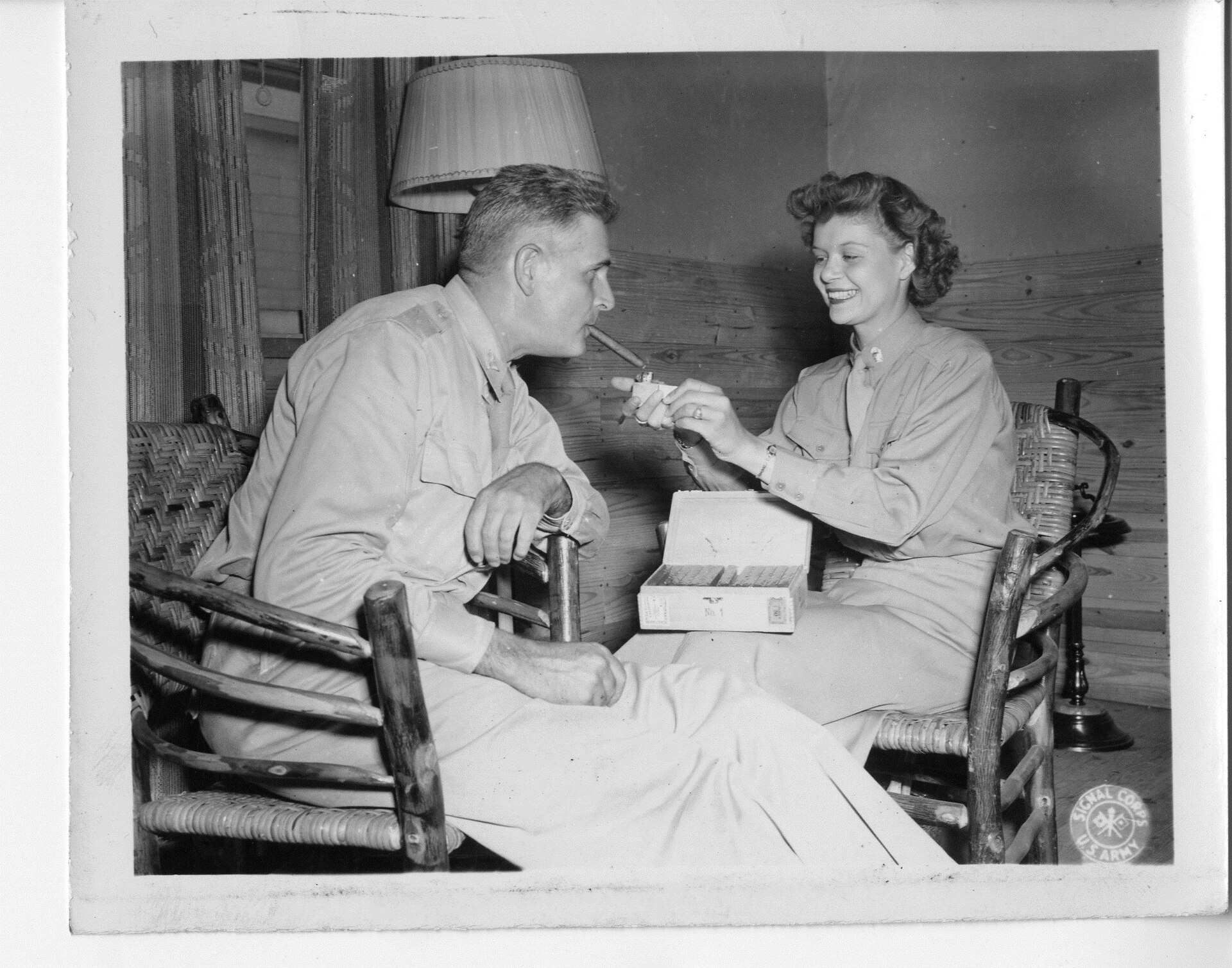
Clean flame, toast the rim, never touch the wrapper, rotate while you draw, purge the first puff. Thirty seconds of care buys you the entire cigar. Light it like it’s a ritual and it becomes one — the 1943 photo below is Lt. Mary Porter lighting her father’s cigar, and she has clearly read this article. New to the vocabulary? The full glossary is here.





[…] Total: about a month. If the cigar was dry for months or years, double everything — the older and drier the patient, the gentler the recovery. When the pinch test gives you that firm-with-give feel, it’s recovered enough to smoke, and you can give it the proper thirty seconds with clean fire. […]