


You know the one. The forgotten five-pack in the back of a desk drawer, the lone robusto riding around a glovebox since spring, the gift cigar that spent summer on a bookshelf being “displayed.” Now it crackles when you squeeze it, the wrapper has gone papery, and the draw feels like a garden hose with a kink in it. Before you hold a funeral: most dried-out cigars can be brought back. Not by tonight, and not by soaking it — but by doing one thing extremely slowly.
Is It Actually Dead?
Diagnosis first. The pinch test: squeeze the cigar gently along the barrel. A healthy cigar feels firm with a slight, spongey give. A dried one feels hard, brittle, and — the tell — makes a faint crackling sound, like walking on dry leaves. Look for visible cracks near the foot and head, and inspect the wrapper for flaking edges.
The verdict rule: if the wrapper has cracked all the way through, it’s over — no resurrection technique fixes broken leaf, and smoking it will just deliver a hot, unraveling mess. But if the wrapper is intact, no matter how dry and sad it looks, you have a patient with a pulse. Proceed.
The One Rule: Slower Than You Want
Here’s the mistake everyone makes, and it comes from a good place: they grab the dried cigar and drop it straight into a fully charged humidor. A few days later, the wrapper has split. What happened? Humidity shock. The wrapper leaf reabsorbs moisture faster than the filler inside it, the wrapper swells while the core is still bone-dry, and the stress cracks the very leaf you were trying to save.
Rehumidifying is the opposite of an emergency. You’re going to reintroduce moisture in small steps over three to four weeks — a slow walk from bone-dry back to the 65–70% range where cigars are happy and stable. The patience is the technique.
The Step-Up Method
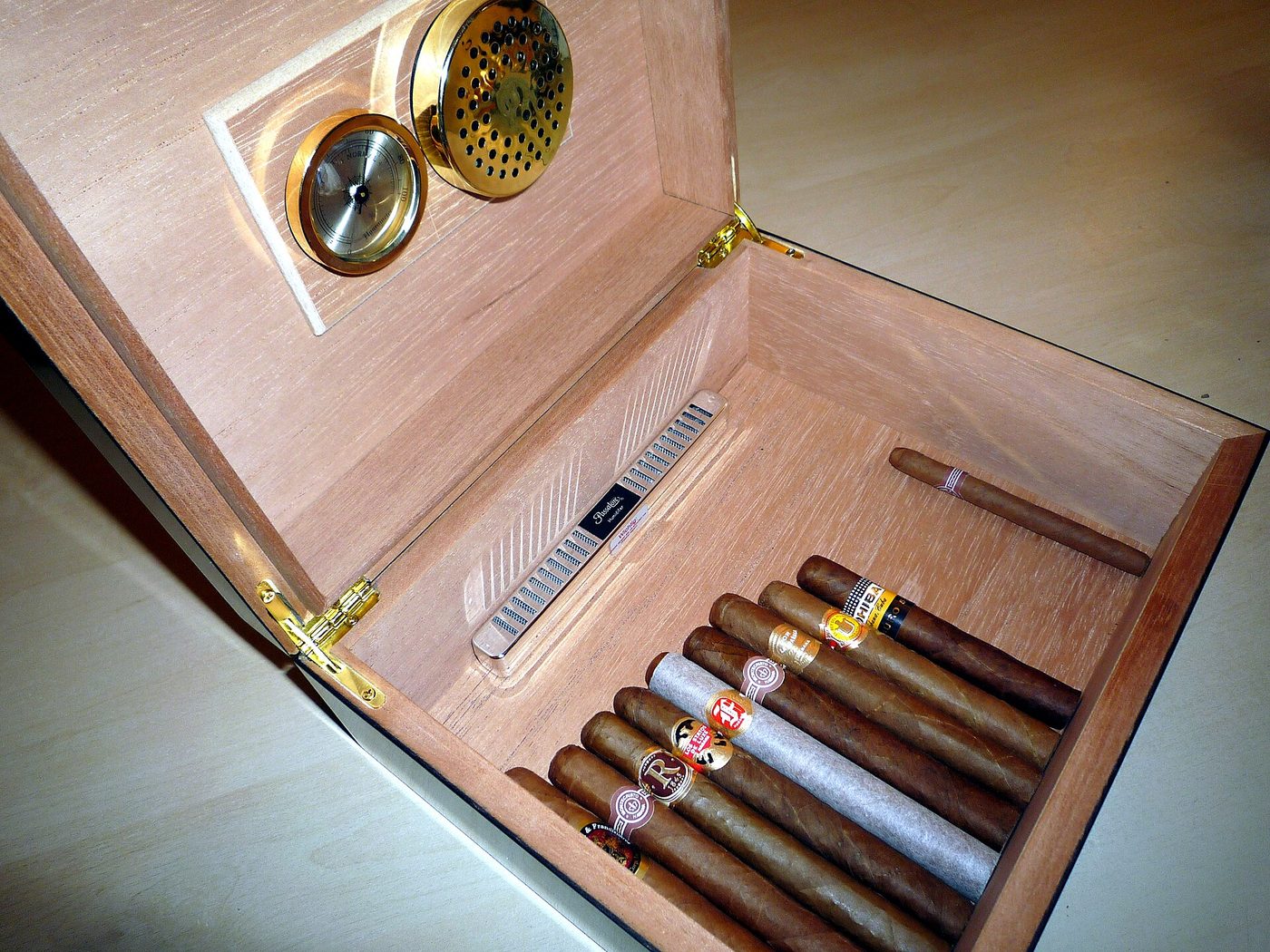
Here’s the schedule that works, using two-way humidity packs (Boveda is the standard bearer):
Days 1–2: Seal the cigar in a bare zip-top bag or Tupperware container with nothing else. This lets the cigar’s remaining moisture equalize and takes the edge off the dryness before any outside humidity gets involved.
Days 3–10: Add a 62% humidity pack to the container. Low, gentle moisture. Turn the cigar over every couple of days so it drinks evenly.
Days 10–17: Swap in a 65% pack. The wrapper should already feel less brittle and the crackling should be gone.
Days 17–24: Move up to a 69% pack, or, if it’s feeling healthy and springy, into your seasoned humidor. Let it rest there several more days at the target humidity before you light it.
Total: about a month. If the cigar was dry for months or years, double everything — the older and drier the patient, the gentler the recovery. When the pinch test gives you that firm-with-give feel, it’s recovered enough to smoke, and you can give it the proper thirty seconds with clean fire.
The Crime List
Everything below has been attempted by someone, somewhere, with confidence:
Soaking the cigar, or running it under the tap. Steaming it. Dipping it in whiskey, honey, rum, or anything else you’d rather drink — you’re not adding flavor, you’re ruining the wrapper and fermenting regret. Licking the crack (that’s a wife-tale from the barstool). Breathing on it repeatedly, which coats the wrapper in whatever your mouth has been up to. The microwave — do we really have to say this. And the fridge or freezer, which is the opposite of the plan (freezing has exactly one legitimate use, a beetle quarantine, and it’s not this).
What “Revived” Actually Means
Honest expectations: a properly rehumidified cigar will burn well, draw well, and taste like itself again. What it won’t fully get back is time. Prolonged dryness ages out some of the oils that carried the delicate flavors, so a once-great cigar sometimes comes back as a merely good one — the harshness is gone, but so is some of the sparkle. Cigars that were dry for only a few weeks usually return at nearly full strength. Either way, the alternative was the trash can, so the math works.
The Bottom Line
Pinch test first. Intact wrapper? Sealed container, 62, then 65, then 69 — a month, turned gently every few days, no shortcuts, no whiskey. And once your patient is home safe, do the prevention work: a $4 humidity pack and a thirty-second monthly check-in, exactly like the storage field guide orders, means you never have to perform this particular rescue again. New to the vocabulary? The full glossary is here.






[…] wrapper is peeling mid-smoke, the cigar is telling you something — usually that it dried out (our slow-walk rescue guide fixes that) or that the roller had a Tuesday. A wet wrapper steams, sours the burn, and adds about […]
[…] wrapper is peeling mid-smoke, the cigar is telling you something — usually that it dried out (our slow-walk rescue guide fixes that) or that the roller had a Tuesday. A wet wrapper steams, sours the burn, and adds about […]
[…] Either the cigar is under-humidified — a fixable problem, and we mean slowly fixable in our rehumidification guide — or the roll was flawed from the factory. Neither of those is solved by spit. You’re […]