

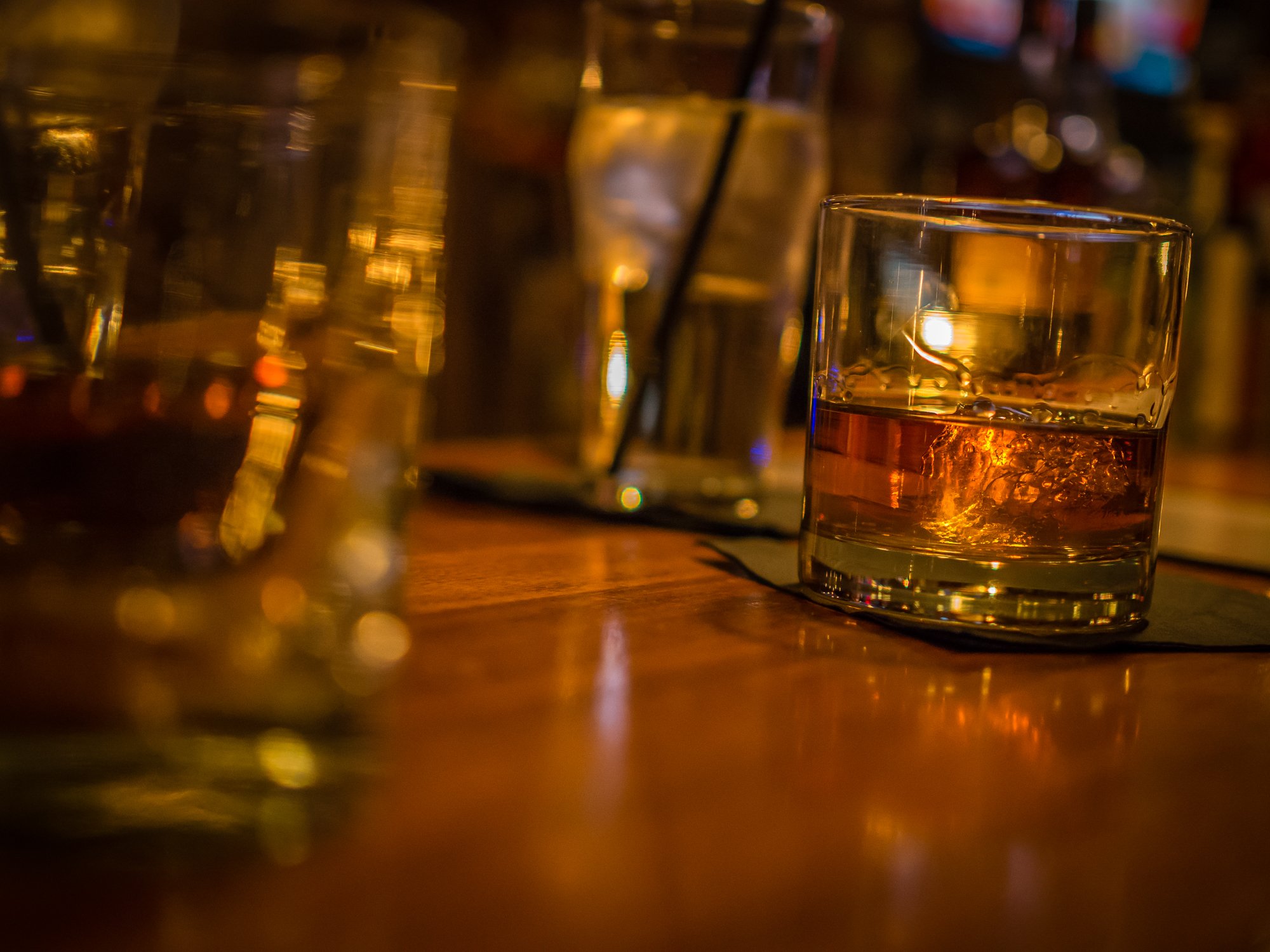
You wouldn’t drink a $300 bottle of wine with a gas station hot dog, and you shouldn’t smoke a $15 cigar with a $12 bottle of “whiskey-adjacent” liquid either. Pairing is where cigar smoking stops being a habit and starts being a hobby worth taking seriously. Here’s how to actually do it — no sommelier certificate required.
The Basic Principle: Match the Weight
The single rule that governs 90% of good pairings: match the body of your cigar to the body of your drink. A mild Connecticut-wrapped cigar gets steamrolled by a cask-strength bourbon — the whiskey wins, the cigar disappears, and you’ve wasted both. Conversely, a full-bodied Nicaraguan puro will make a delicate 12-year single malt taste like flavored water.
Think of it as a boxing match. You want two fighters in the same weight class, not a flyweight against a heavyweight.
Scotch & Cigars
Mild cigars (Connecticut shade, Ecuadorian wrappers): Reach for something light and floral — an Ardmore, a Cu Bocan, or a basic Highland single malt without heavy peat. You want the whiskey’s honey and vanilla notes to complement the cigar’s creaminess, not compete with it.
Medium cigars (Habano, Cameroon wrappers): This is where you can start playing with sherry-cask finishes — a Macallan 12 or Glenmorangie Lasanta. The dried fruit and spice in the whiskey plays nicely with a medium cigar’s pepper and cedar notes.
Full-bodied cigars (Maduro, Nicaraguan ligero-heavy blends): Bring out the peat monsters. A heavily peated Islay Scotch — Laphroaig, Lagavulin, Ardbeg — can stand up to a cigar loaded with dark pepper and spice. Anything less intense just gets bulldozed.
Bourbon & Cigars
Bourbon’s caramel-and-vanilla sweetness makes it one of the most forgiving pairings out there — it plays well across a wider range of cigar strengths than Scotch does. That’s why it’s the go-to for a lot of casual cigar nights.
Mild-medium cigars: A standard 90-100 proof bourbon (Buffalo Trace, Four Roses) brings enough sweetness to complement without overwhelming.
Full-bodied cigars: Go barrel-proof. A high-proof bourbon like Stagg Jr. or Booker’s has the intensity to match a heavily-spiced Nicaraguan puro without getting lost. The higher ABV also helps cut through the smoke’s density.
Purists drink their bourbon neat, at room temperature — no ice. If you insist on rocks, nobody’s going to stop you, but know that dilution mutes exactly the flavors you’re trying to pair.
Rum & Cigars
This is the classic Caribbean pairing, and for good reason — rum and tobacco grew up together. Aged rum has a natural affinity for cigar smoke thanks to overlapping notes of caramel, dried fruit, and baking spice.
Mild cigars: White or lightly aged rum. Simple, clean, doesn’t fight the cigar.
Medium-bodied cigars: An aged rum in the 8-15 year range (Zacapa 23, Diplomático Reserva) has enough complexity to match without overpowering.
Full-bodied cigars: A dark, funky, high-ester rum (Hampden, certain Jamaican expressions) can go toe-to-toe with the strongest Nicaraguan smoke on the market.
Cognac & Brandy
Cognac is the sophisticated older sibling in this lineup — dried fruit, dark chocolate, and a bit of oak spice that pairs beautifully with medium to full cigars. A VSOP works for medium-bodied smokes; move up to XO for anything with real heft. This is the pairing that makes you feel like you’re in a Bond movie, which is reason enough on its own.
Cocktails: The Underrated Option
Straight spirits get all the attention, but a well-built cocktail can be an excellent cigar companion — as long as it’s not too sweet or too dilute. Skip the fruity, syrupy stuff. Reach for:
- Old Fashioned — bourbon or rye base, minimal dilution, works with almost anything medium-bodied
- Manhattan — rye, sweet vermouth, bitters — pairs beautifully with medium to full cigars thanks to the herbal complexity
- Dark & Stormy — dark rum and ginger beer, a great warm-weather pairing for milder smokes
- Negroni — bitter, herbal, surprisingly good with a medium cigar that has some spice to it
The Golden Rule Nobody Follows
Take a sip before you light up, take note of the flavor, then smoke a few puffs and taste again. The alcohol and the smoke interact — sometimes beautifully, sometimes not — and the only way to know is to actually pay attention instead of mindlessly alternating between glass and stick. It sounds obvious. Almost nobody does it.
Pairing isn’t about rules carved in stone — it’s about matching intensities and letting complementary flavors do the work. Start with weight-matching, experiment from there, and don’t be afraid to find combinations the “experts” haven’t written about yet. Some of the best pairings are the ones you stumble into by accident.



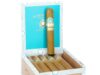




[…] the morning, English breakfast tea in the afternoon, or a cream stout or aged rum at night — the pairing guide has the full […]
[…] a café con leche if you’re brave enough to smoke before noon on Fremont Street — the pairing guide has the full playbook. And if you’re at the bar on Forum Shops soil: the mojito is not […]
[…] 12-year — and let the flavors meet on your palate, where the actual tasting happens. Our full pairing playbook covers bourbon, Scotch, rum, and cognac, not one of which needs a […]